A ryokan supplies the yukata, towels and toiletries, so the real job is packing one small overnight bag and sending the big suitcase ahead. Here’s what to bring, what to skip and how to handle luggage.
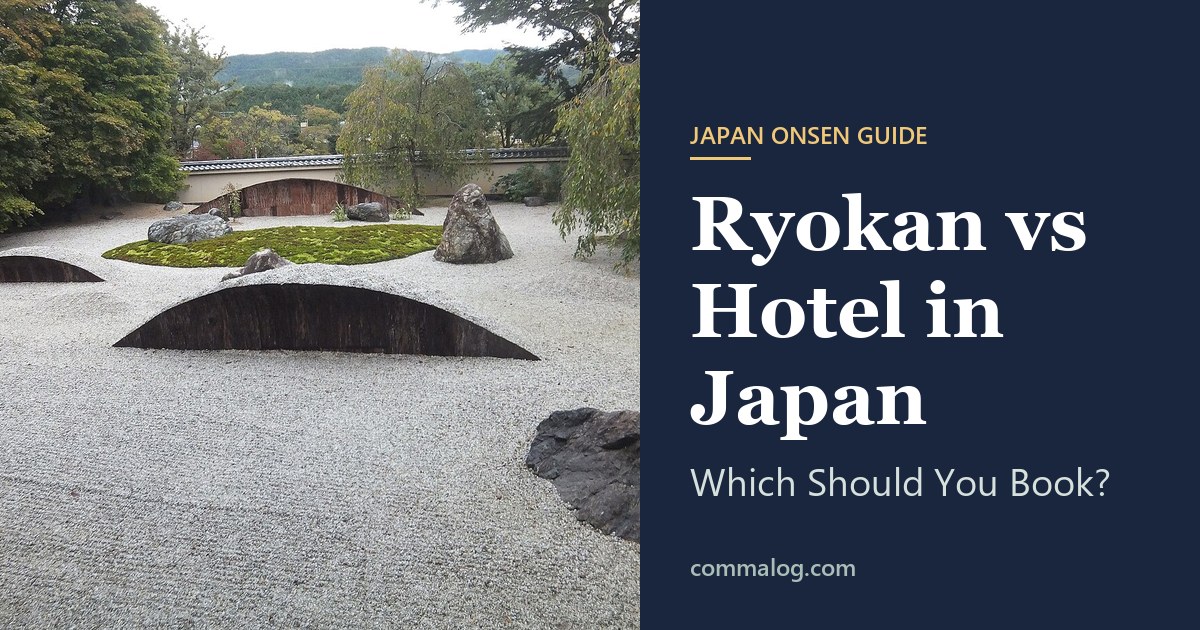
A ryokan sells you an evening; a hotel sells you a room. Here’s how to decide which nights of your Japan trip belong to each, with a decision table by travel style and budget.
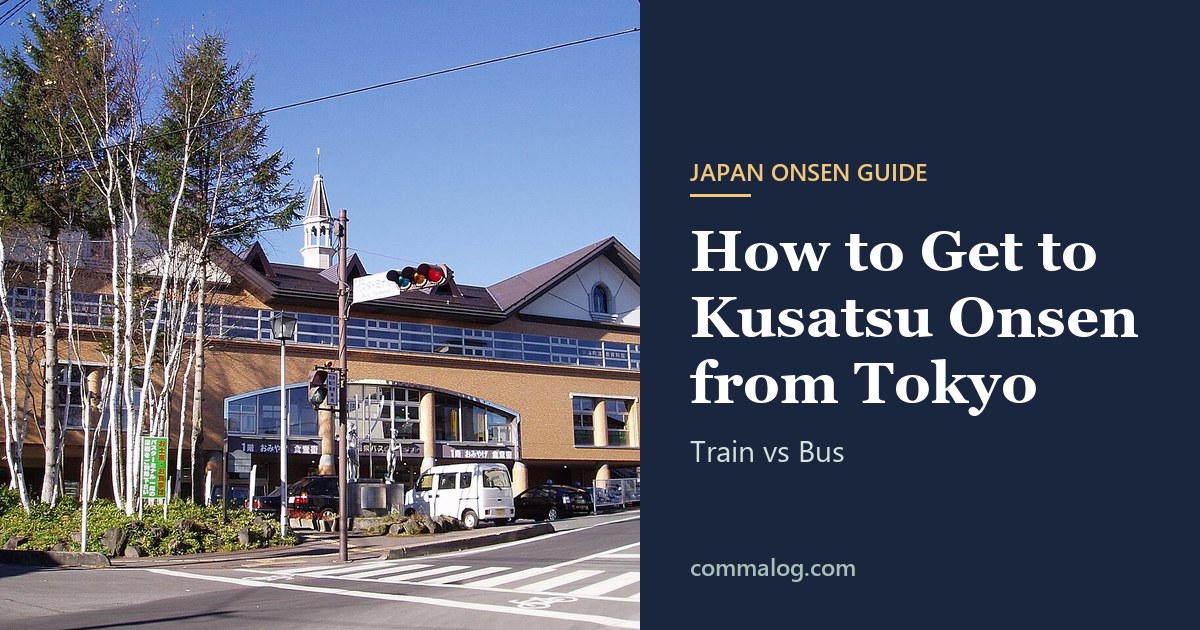
Kusatsu has no train station of its own, so every route ends on a bus. Here’s how the limited express, the direct highway bus and the Karuizawa route compare, and which one we’d pick.
HOSHINOYA and KAI both belong to Hoshino Resorts, but they’re built for different trips. Here’s how three HOSHINOYA retreats and two KAI onsen ryokan compare, and which one fits yours.
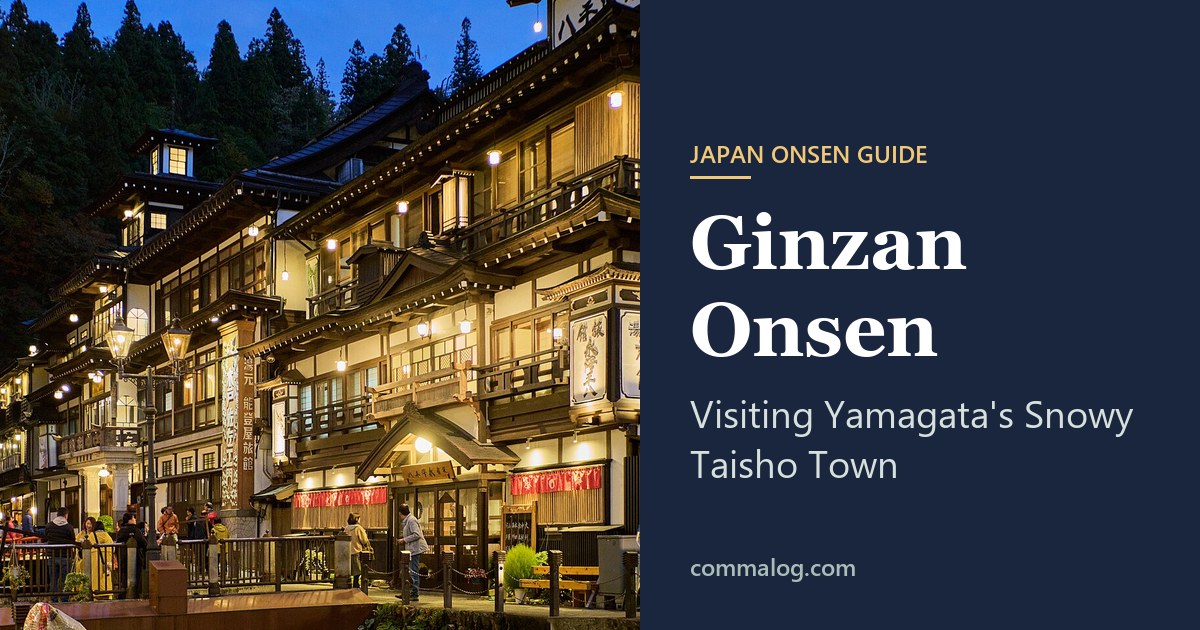
Ginzan Onsen is one gaslit street of Taisho-era ryokan buried in Yamagata snow. Here’s how to plan a winter visit around scarce rooms, an every-other-hour bus and big crowds.
Your ryokan probably handles dinner, so the real question in Hakone is lunch and snacks. Here’s where to eat by area, from Gora’s vegan bakery and craft beer to Owakudani’s black eggs.
Don’t want to bathe with strangers? Here’s how kashikiri baths and rooms with their own onsen tub work, who each one suits, and what to confirm before you book.
Winter is the classic onsen season, but it isn’t the only good one. Here’s how each season trades off weather, crowds and scenery, plus the holiday weeks worth avoiding.
Hakone gives you a lot to do between baths. Here’s how to ride the classic loop, which museums earn the detour, and what works for kids and rainy days.