Booking a ryokan looks like booking a hotel. It isn’t quite. You usually pay per person, not per room, the price often includes dinner and breakfast, and a few choices on the booking page decide how the whole evening goes. Get them right and the stay runs itself. Get them wrong and you’re eating convenience-store rice balls at 9 p.m. because the kitchen served dinner at 6.
Here’s the short version for a first stay: book a Japanese-style tatami room, take the plan with dinner and breakfast, reserve early if you’re going in autumn or spring, and read the cancellation schedule before you pay. The rest of this guide explains each of those choices and when to break the rule.
Decide What Kind of Ryokan You Want Before You Search
The word “ryokan” covers a huge range. At one end are small family-run inns with just a handful of rooms. At the other are large hotel-like properties with hundreds of rooms, big communal baths and buffet halls. Both are ryokan. They feel nothing alike.
That’s the first filter, and it matters more than star ratings.
| Type | What it’s like | Good for | Watch out for |
|---|---|---|---|
| Small family-run inn | A few rooms, personal service, often a set dinner served by staff | Couples, quiet trips, travelers who want the traditional routine | Fixed meal times, fewer staff who speak English, rooms sell out fast |
| Mid-size onsen ryokan | Dozens of rooms, shared baths plus sometimes private ones, dining room or in-room meals | Most first-timers | Room grades vary a lot within one property |
| Large resort-style ryokan | Hundreds of rooms, big bath complexes, often buffet meals | Families, groups, flexible schedules | Can feel like a hotel with tatami; less of the hushed atmosphere |
Ryokan cluster in hot spring towns, so if baths are a big part of why you’re going, start by choosing the town and then the inn. A ryokan in a city is a perfectly good night. It’s just a different night.
Room Types, Decoded
Booking pages tend to list three or four room types, and the names don’t always translate well. This is what they usually mean.
Japanese-style room (washitsu)
Tatami floor, a low table, floor cushions, and futon bedding that staff lay out while you’re at dinner or the bath. This is the classic ryokan room. For a first stay, it’s the one to pick, because sleeping on a futon is half the point.
Japanese-Western room (wa-yo-shitsu)
A tatami seating area plus raised Western beds, sometimes in a separate section of the room. Choose this if anyone in your group has a bad back, bad knees, or simply won’t sleep well on the floor. You keep the look and lose very little.
Western-style room
Beds, chairs and a desk, much like a hotel. Some ryokan offer these, many don’t. They make sense for an older traveler or a second night when you’ve had your tatami experience. But if the whole booking is a Western room, ask yourself why you’re at a ryokan.
Rooms with a private bath
Some rooms come with their own open-air tub or an in-room hot spring bath. They cost noticeably more than standard rooms. They’re worth it for couples, families who want to bathe together, travelers with tattoos, and anyone shy about communal bathing. If you’re comfortable in the shared baths, a standard room is usually the better value.
| Room type | Sleep | Best for | Skip it if |
|---|---|---|---|
| Japanese-style | Futon on tatami | First-timers who want the full experience | Someone can’t get up from the floor easily |
| Japanese-Western | Beds plus tatami area | Mixed groups, older travelers | You want the most traditional version |
| Western-style | Beds | Mobility needs, a second night | It’s your only ryokan night |
| Room with private bath | Either | Couples, tattoos, privacy | You’re happy in shared baths and watching the budget |
One tip: check the floor plan or photos for whether a “Japanese-style” room actually has its own toilet and sink. At most ryokan it will. At some older or budget inns, washrooms are shared, and that’s worth knowing before you book.
The Meal Plan Decides More Than Dinner
This is the choice first-timers most often get wrong.
A typical ryokan stay includes an elaborate dinner in the evening and breakfast the next morning. Dinner is usually kaiseki ryori, a series of small seasonal courses built around local specialties. That meal is a large share of what you’re paying for, and it’s often the highlight of the trip.
Many ryokan, though, offer several plans for the same room:
| Plan | What you get | When it makes sense |
|---|---|---|
| Dinner and breakfast | Multi-course dinner, breakfast next morning | Your first ryokan, onsen towns, anywhere restaurants close early |
| Breakfast only | Breakfast, no dinner | City ryokan with good restaurants nearby, a late arrival |
| Room only | No meals | Very late arrival, tight budget, long stay with meals out |
Take the dinner plan unless you have a strong reason not to. In small onsen towns, restaurants can close early in the evening, and dinner at the inn is often the only real option. Booking it in advance also guarantees the kitchen has your meal ready, which is how ryokan kitchens work: they prepare for the guests they expect.
Two smaller choices to look for on the booking page:
- In-room dining vs a dining room. Some ryokan serve dinner in your room. Others use a dining hall or private dining rooms. In-room meals feel special; dining rooms mean you don’t eat next to your futon. Neither is wrong.
- Dinner time slots. Many ryokan ask you to choose a dinner time, often in the early evening. Pick one that leaves you time for a bath first. That’s the traditional order and it’s a good one.
Plans with upgraded dinners (a better cut of beef, a seafood course, a celebration dessert) usually cost more for a modest improvement. On a first stay, the standard dinner is plenty.
Why the Price Is Quoted Per Person
Ryokan prices are usually per person per night, with meals included. Costs vary widely, but a typical stay falls somewhere between 15,000 and 30,000 yen per person. Luxury properties run far higher, and simple inns can come in lower.
That per-person pricing trips people up. Two travelers in one room pay twice the listed rate. And because the price folds in dinner and breakfast, it isn’t fair to compare it directly with a hotel room rate. Compare it with a hotel room plus two restaurant meals.
A few patterns to expect:
- Solo travelers sometimes pay more per person, and some inns only sell certain rooms to two or more guests.
- Children are often priced by age and by whether they get their own meal and futon. Check the child rate tiers when you book.
- Saturdays and the nights before holidays usually cost more than weeknights. Moving your stay from Saturday to Sunday or a weekday can make a noticeable difference.
- Rates move by season and room type, so the price you see in March won’t match October.
Timing: When to Book and When to Show Up
How far ahead to reserve
Book early, especially for autumn foliage and spring blossom season. Japanese holiday periods, including Golden Week in late April and early May, the Obon period in mid-August and the New Year break, fill up fast too.
Rough guide:
- Peak seasons and popular onsen towns: reserve several months ahead, earlier for a room with a private bath.
- Small inns with only a few rooms: book as soon as your dates are firm. There’s no overflow.
- Weekdays in quieter months: a few weeks is often enough.
If the room you want is gone, check again a week or two before your date. Cancellations happen, especially just before the free-cancellation window closes.
Check-in time and dinner
Ryokan check-in is often mid-afternoon, and arriving late is more of a problem than at a hotel. The kitchen times dinner around your arrival. If your train is delayed or you’ll arrive after early evening, tell the ryokan ahead of time. Showing up at 8 p.m. on a dinner plan without warning is the fastest way to stress your hosts.
Read the Cancellation Rules Like a Contract
Ryokan cancellation policies are often stricter than what you’d expect from a chain hotel. A common pattern is a sliding fee: free until a set number of days before arrival, then a percentage of the stay that climbs as the date gets closer, with the full amount charged for a same-day cancellation or a no-show.
The exact schedule differs by inn and by plan, and it’s usually spelled out on the booking page. Before you pay, find:
- The last date you can cancel for free
- The fee at each step after that
- Whether reducing the number of guests counts as a partial cancellation
- Whether a non-refundable rate is offered, and how much it really saves
Non-refundable rates can be fine for a fixed date in a quiet month. For peak-season trips planned months out, the flexibility of a refundable rate is usually worth the small premium. Travel insurance that covers trip cancellation is worth a look if you’ve booked several expensive nights.
What to Tell the Ryokan Before You Arrive
Ryokan can feel rigid or a little intimidating if you don’t know the routine. Most of that goes away if you share a few details when you book or a few days before.
- Dietary needs. Kaiseki dinners use a lot of seafood and dashi broth. Vegetarian, vegan, halal, gluten-free and allergy requests need advance notice, and not every kitchen can handle every request. Ask before you pay, not at check-in.
- Arrival time. This sets your dinner time.
- Tattoos. Policies on shared baths vary. Ask, and consider a room with a private bath if the answer is no.
- Children’s ages. This affects meals, bedding and price.
- Mobility. Ask about stairs, elevators and whether bed rooms are available.
- Special occasions. Some inns will note an anniversary or birthday. It doesn’t hurt to mention it.
Your Ryokan Booking Checklist
Run through this before you hit confirm:
- Is the price per person or per room, and does the total match the number of guests?
- Which meals are included, and is dinner served in the room or a dining room?
- Have you chosen a dinner time, and does it work with your arrival?
- Is the room Japanese-style, Japanese-Western, or Western, and is that what everyone needs?
- Does the room have its own toilet and sink? A private bath, if you’re paying for one?
- When does free cancellation end, and what are the fees after that?
- Have you sent dietary needs, tattoo questions and children’s ages?
- Do you know how you’re getting there from the station, with luggage, before dark?
When a Ryokan Isn’t the Right Booking
A ryokan is a special night, and most travelers think it’s worth doing at least once. But it isn’t the right fit for every trip or every person.
You’ll probably be happier in a hotel if you want a Western-style room every night, keep an unpredictable schedule, plan to eat out at different restaurants each evening, or are traveling with very young children who need cribs and familiar comforts. Tight budgets are a factor too. Once you count meals, a ryokan rarely works out as the cheap option.
The middle ground works well for many people: one or two ryokan nights in an onsen town, booked with dinner and breakfast, and hotels for the city legs. You get the tatami, the bath and the kaiseki dinner without asking every night of the trip to follow the same routine.
Frequently Asked Questions
How much does a ryokan cost per night?
Costs vary widely, but a typical stay runs roughly 15,000 to 30,000 yen per person per night, usually including dinner and breakfast. Luxury inns cost far more, and rates change by season, day of the week and room type.
How do I find a ryokan room in peak season?
Book several months ahead for autumn foliage, spring blossom season and Japanese holidays, and as early as possible for small inns with only a few rooms. If your first choice is full, check again shortly before your dates, when cancellations tend to appear.
What do you actually do at a ryokan?
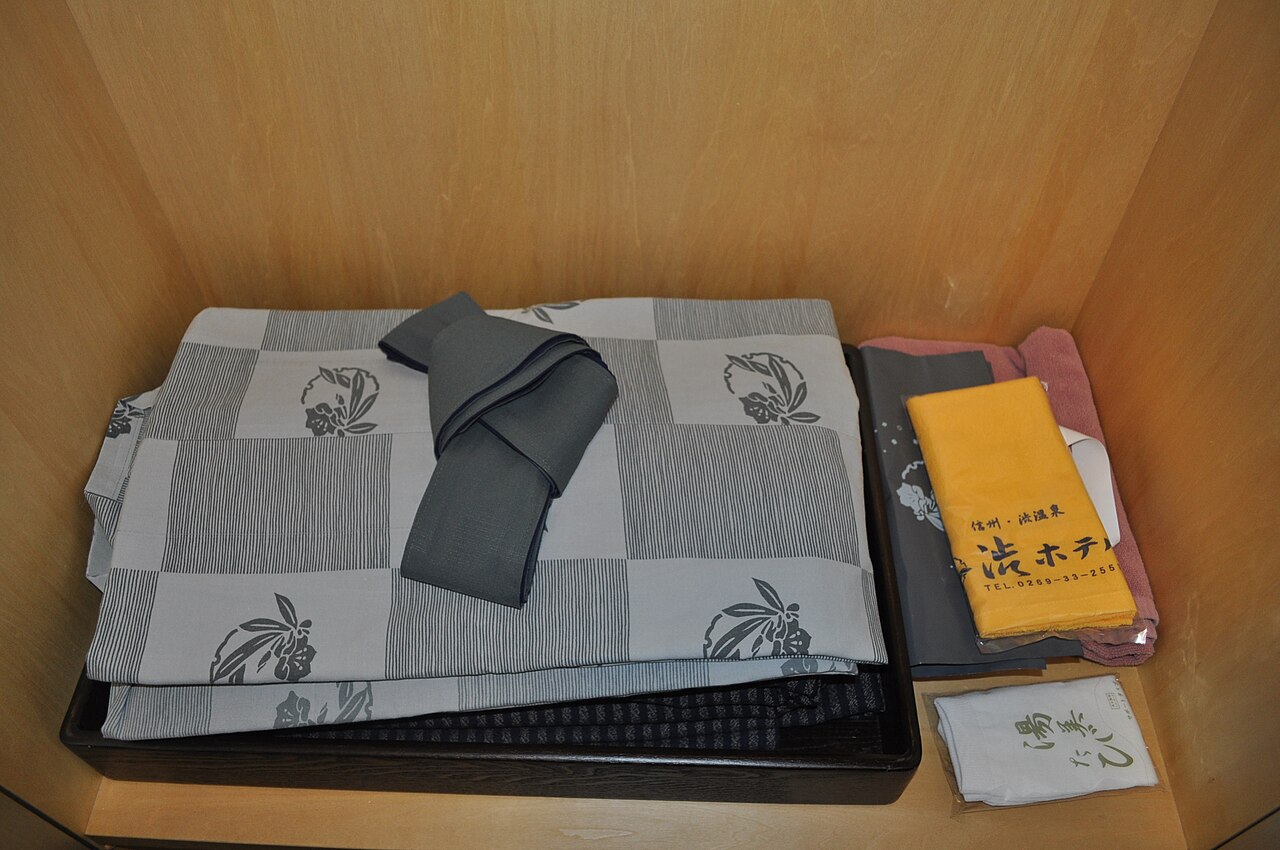
Most of the stay is the routine itself: check in, change into a yukata, bathe in the hot spring, eat a multi-course kaiseki dinner, sleep on futons laid out on tatami, then bathe again before breakfast. Plan to arrive by mid-afternoon so you have time for all of it.
Should I book a ryokan with or without meals?
For a first stay, book dinner and breakfast. The seasonal kaiseki dinner is a big part of the experience, and in small onsen towns restaurants can close early. Room-only plans make more sense for city ryokan or very late arrivals.
How we research: this guide draws on official tourism and reference sources and well-established Japan travel practice. Policies, rates and child rules differ from ryokan to ryokan, so confirm the details with the property before booking.