At a Glance
| Location | Gora, Hakone, Kanagawa |
|---|---|
| History | 1920s summer villa of Prince Kan'in Kotohito; a ryokan since 1948 |
| Rooms | About 30, from standard and deluxe rooms up to imperial suites |
| Baths | Private in-room onsen baths or shared outdoor baths, natural hot spring water |
| Meals | Full board with seasonal kaiseki; private dining available |
| Check-in / check-out | 3:00 PM / 11:00 AM |
| Getting there | About 2 hours by train from Tokyo; no on-site public parking |
| Best for | Couples, celebrations and travelers after a high-end, traditional stay |
Gora Kadan is the ryokan people name when they mean the expensive, serious version of a Hakone stay. It started life in the 1920s as the summer retreat of Prince Kan’in Kotohito, a member of the Imperial Family, and has run as a ryokan since 1948.
Short version: if this is a once-a-decade trip, you want a private onsen in your room and a full kaiseki dinner, and the price doesn’t make you wince, it’s an easy choice for a first ryokan night. If you’re watching costs, traveling with very young kids, or have tattoos, keep reading before you commit.
Location and Getting There
The ryokan sits in Gora, the upper end of Hakone’s main tourist loop, at 1300 Gora, Hakone-machi. Gora is a handy base. It’s where the Hakone Tozan Railway, the little switchback mountain train, ends and where the cable car up the mountain begins, which puts the ropeway to Owakudani and the boats on Lake Ashi within easy reach for a day of sightseeing.
The ryokan puts the trip from Tokyo at about two hours by train. In practice, most travelers get to Odawara first (by shinkansen or regular train) and then change for the mountain railway up to Gora. The last leg is slow and scenic, and it gets crowded on weekends and in autumn leaf season.
Your luggage options
| Option | How it works | Good for |
|---|---|---|
| Train with bags | Odawara, then the Hakone Tozan Railway to Gora | Light packers, one carry-on each |
| Luggage forwarding | Send big suitcases ahead from Tokyo with a delivery service, travel up with a day bag | Anyone with full-size suitcases |
| Taxi from Odawara | Skip the mountain train and ride straight up | Travelers with mobility concerns or heavy bags |
| Rental car | Drive into Hakone | Confident drivers who’ve sorted parking first |
A warning for drivers: the ryokan has no public parking, and guests are directed to nearby designated lots. Ask the ryokan which lot to use when you book, not when you’re circling Gora at 3 PM.
The ryokan also lists a private shuttle service to nearby attractions. Confirm what it covers and whether it needs reserving before you build your sightseeing plan around it.
Rooms: Pay for the Bath
There are about 30 rooms, in three broad tiers: standard, deluxe and imperial suites. The ryokan describes the style as traditional Japanese architecture with modern amenities, which in ryokan terms usually means tatami, sliding screens and low furniture alongside heating, a proper bathroom and the comforts you’d expect at this price. All rooms are non-smoking.
Here’s how I’d think about the tiers:
- Standard rooms are the entry point. Fine if you’re happy using the shared outdoor baths and want the Gora Kadan experience at the lowest available rate.
- Deluxe rooms are where most first-timers should aim. The reason to splurge here is the private in-room onsen, and getting one is worth more than extra square footage.
- Imperial suites make sense for a big anniversary, a honeymoon or a family that wants space. For everyone else, the jump in price buys less than the jump from standard to a room with its own bath.
When you book, confirm in writing that your specific room has a private onsen bath. Room names vary between booking channels and it’s an expensive thing to get wrong.
Check-in is typically 3:00 PM and check-out 11:00 AM. That late check-out is generous by ryokan standards, so plan a slow morning with one last soak instead of rushing to the train.
The Baths Are the Whole Point
Gora Kadan uses natural hot spring water, and you get two ways to enjoy it: a private bath in your room, or the shared outdoor baths. In-room baths are the big draw for first-time ryokan guests. You soak when you want, as long as you want, with no strangers and no etiquette nerves.
If you do use the shared baths, the rules are the same as anywhere in Japan:
- Wash and rinse thoroughly at the shower stations before you get in.
- No swimsuits. You go in bare.
- Keep your small towel out of the water (people fold it on their head).
- Tie up long hair and keep the noise down.
Hot springs in Japan are traditionally linked with relaxation and good sleep, and soaking before dinner and again before bed is the classic ryokan rhythm. Just don’t stay in too long on your first go; the water is hot.
The tattoo problem
This is the big one. The ryokan lists tattoos as not allowed on the property. That’s stricter than many ryokan, which ban tattoos only in shared baths and let you use a private bath freely. If you have any visible ink, even something small, contact the ryokan directly and get a clear answer before you pay a deposit. Don’t assume an in-room bath gets you around it.
The ryokan also offers spa treatments using natural ingredients, if a massage between soaks appeals.
Dining: Kaiseki, Done Properly
Stays are built around full board, meaning dinner and breakfast. Dinner is seasonal kaiseki, a long sequence of small courses built around local ingredients and the time of year. Expect a procession of dishes rather than a main course: an appetizer plate, sashimi, a simmered dish, something grilled, rice with pickles and miso soup near the end, then a small dessert. It’s paced slowly, so don’t book a dinner reservation elsewhere on the same night.
The ryokan offers private dining in traditional settings and has its own restaurant serving kaiseki. For a first ryokan stay, take the full-board plan. Skipping dinner at a place like this is like buying concert tickets and leaving at the interval.
A few practical points:
- The ryokan says it has a dedicated team for special dietary requirements. Tell them about allergies, vegetarian needs or foods you won’t eat when you book, not at check-in, since kaiseki is planned in advance.
- Breakfast is usually a Japanese spread of rice, fish, pickles and small dishes. If you’d rather have something Western, ask whether it’s available.
- The ryokan mentions traditional Japanese music during dinner. Ask whether it’s on during your dates if that matters to you.
Beyond the Room
Part of what you’re paying for is the cultural extras. The ryokan lists tea ceremonies, crafts such as calligraphy or pottery, private tours of the Hakone region, and a library of Japanese literature and cultural books. Staff are on hand for cultural guidance, which is reassuring if you’ve never worn a yukata or sat through a formal meal on tatami.
Yukata are provided. Wrap left side over right (right over left is how the dead are dressed), tie the sash at the waist, and you’re good to wear it to dinner and the baths.
There’s no fitness center. The ryokan points you to the outdoors instead, and Hakone’s hills will give your legs plenty to do.
Who Should Book (and Who Shouldn’t)
| Book it if… | Look elsewhere if… |
|---|---|
| It’s a honeymoon, anniversary or milestone trip | You’re on a tight budget |
| You want a private onsen and full kaiseki on night one | You have tattoos |
| You care about history and Japanese culture | You need childcare services for young kids |
| You like polished, attentive service | You’d prefer a casual or modern hotel feel |
| You want a Hakone base near the main sights | You need extensive accessibility features |
Rates sit firmly at the luxury end of Hakone and change by season and room type. If the price would leave you stressed about every course, you’ll enjoy a mid-range ryokan with an in-room bath more.
Families: children are welcome, but the ryokan asks for advance notice and may charge extra. It suits older kids who can handle a long, quiet dinner better than toddlers.
Mobility: Gora is steep, and traditional ryokan buildings often involve steps, floor seating and futons. If that’s a concern, ask about specific room access and bedding before you book.
And if you like to roam Hakone on your own schedule, that’s fine; just know that the stay is designed around long dinners, guided experiences and staying put.
Around the Ryokan
You’ll eat dinner in, so treat these as daytime outings. Gora is well placed for all of them.
| Place | What it is | Good for |
|---|---|---|
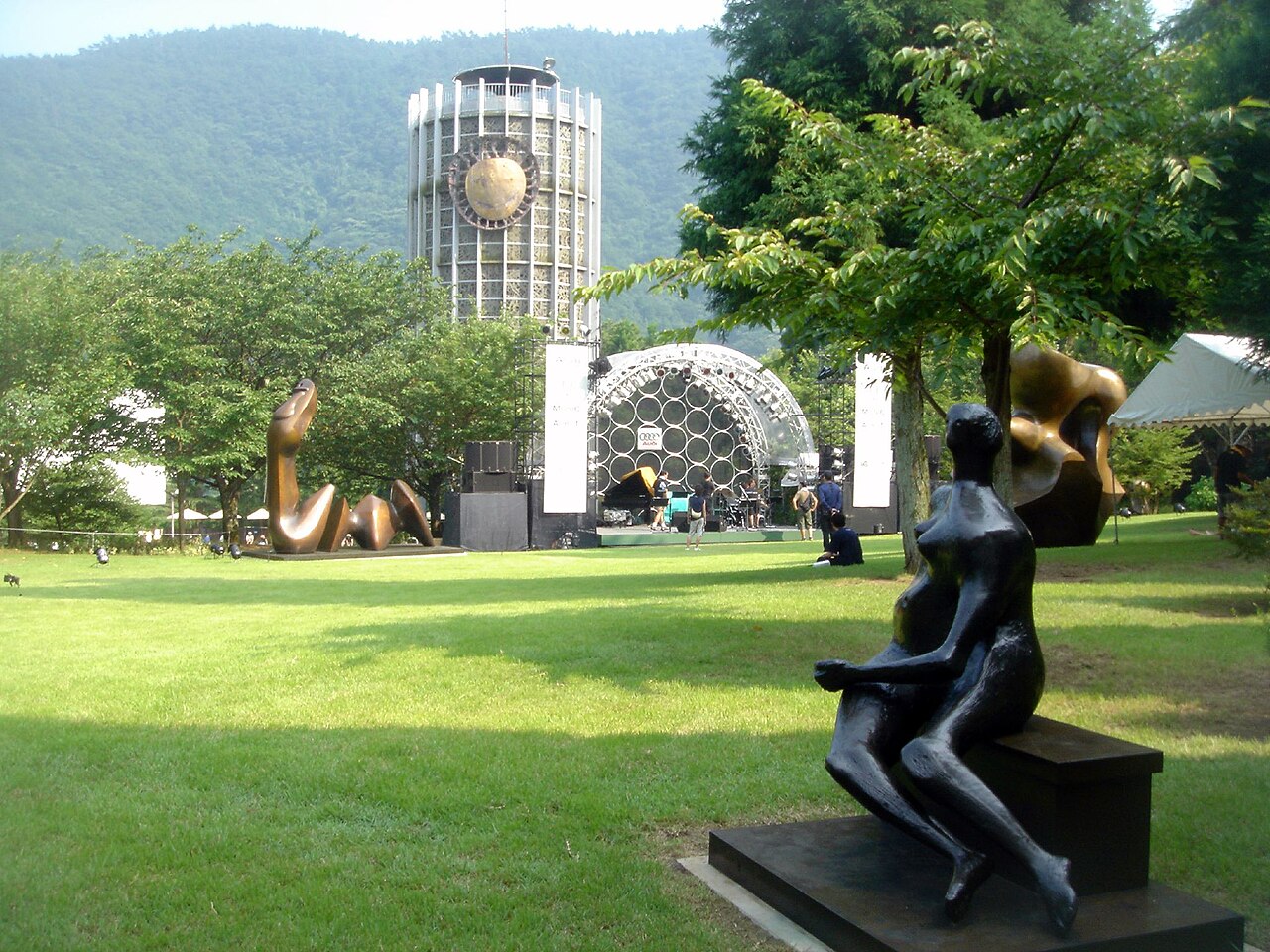
| Hakone Open-Air Museum | Outdoor sculpture park with Japanese and international art | A relaxed half day, art fans, kids who need room to roam |
| Hakone Gora Park | Park with walking trails and views of Mount Fuji | A short stroll before check-in |
| Owakudani | Volcanic valley with blackened trees and sulfur vents | The classic Hakone photo stop |
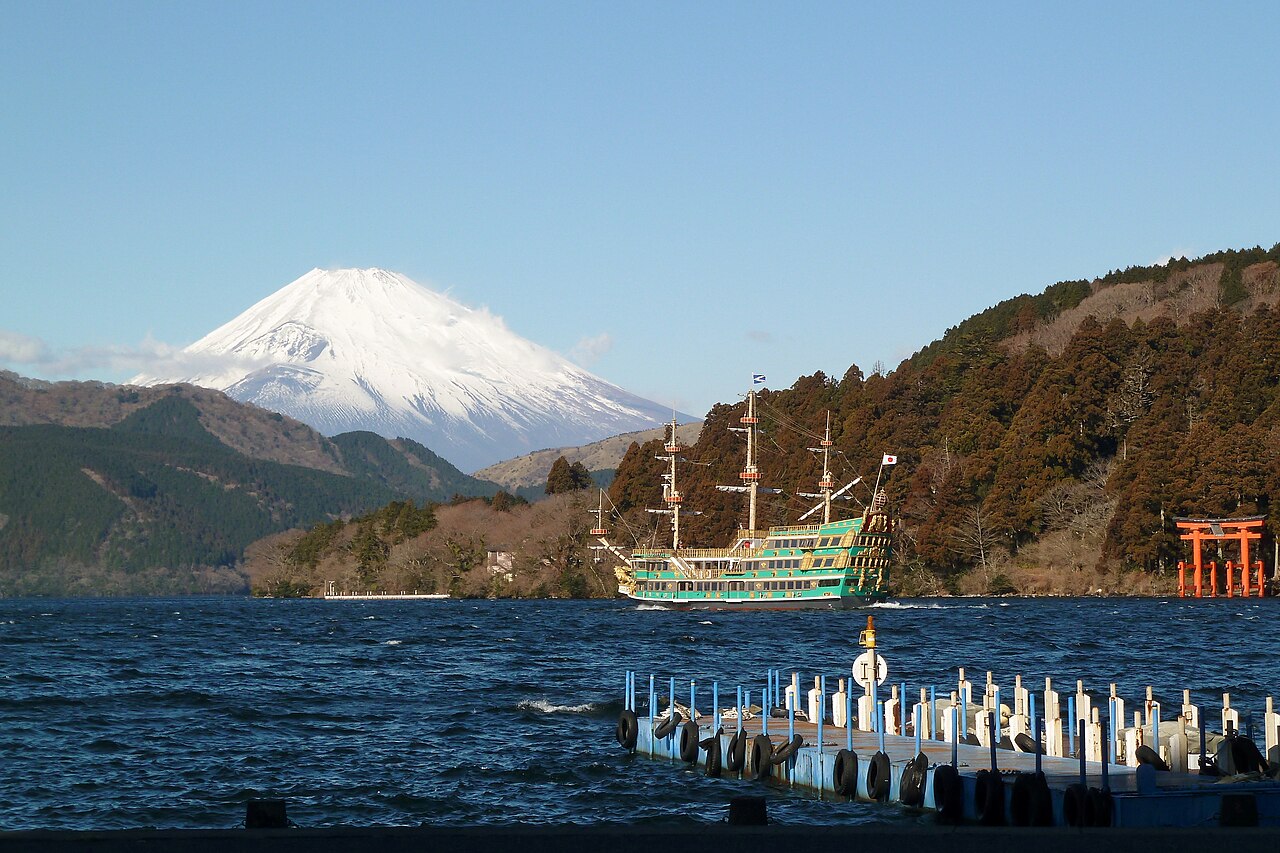
| Lake Ashi | Lake with boat rides and views of Mount Fuji | A clear-day outing on the water |
| Hakone Shrine | Historic Shinto shrine with gardens and traditional architecture | History and a quieter walk |
| Hakone Kowakien | Hot spring area with bathhouses and gardens | A rainy-day alternative |
One easy plan: arrive by late morning, leave bags at the ryokan, visit the Hakone Open-Air Museum, and be back for 3 PM check-in and a soak before dinner. Save Owakudani and Lake Ashi for the next day, after that 11 AM check-out.
Booking Tips
- Book early. With only about 30 rooms, peak dates go fast, especially autumn foliage, spring and Japanese holiday weeks. The ryokan itself urges advance booking for seasonal stays and special events.
- Lock in the bath. Confirm your room includes a private onsen if that’s why you’re going.
- Sort tattoos and kids first. Get a direct answer on tattoos, and give advance notice for children.
- Send dietary needs ahead. Kaiseki is planned in advance, so allergies and restrictions need to go in with the booking.
- Reserve extras. Tea ceremonies, crafts, tours and seasonal events may need booking ahead. Ask what’s running on your dates.
- Plan the last mile. Arrange luggage forwarding, or if driving, ask which nearby lot to use.
- Phone if email is slow. The ryokan’s number is +81-460-82-3331.
- Coming back? There’s a loyalty program for repeat guests.
Verdict
Gora Kadan is a big spend for one or two nights, and it only pays off if you use what you’re paying for: the private bath, the long kaiseki dinner and the slow pace of a former prince’s summer house. For a first ryokan stay on a celebration trip, that’s a lot to love. Book a room with its own onsen, take full board, and settle the tattoo and children questions before you hand over a deposit.
Places in This Article
Open each place in Google Maps for current hours and directions.
- Hakone Open-Air Museum · Sight / activity
- Owakudani · Sight / activity
- Lake Ashi · Sight / activity
- Hakone Shrine · Sight / activity
- Hakone Gora Park · Sight / activity
- Hakone Kowakien · Sight / activity
Frequently Asked Questions
Is Gora Kadan good for a first ryokan stay?
Yes, if budget allows. A room with a private onsen spares you shared-bath nerves, full-board kaiseki shows you a proper ryokan dinner, and staff offer cultural guidance. If the price would stress you, a mid-range ryokan with an in-room bath is a better first step.
Can I stay at Gora Kadan if I have tattoos?
The ryokan lists tattoos as not allowed on the property, which is stricter than many ryokan. Contact the ryokan directly before booking for a clear answer about your situation rather than assuming an in-room bath solves it.
How do I get to Gora Kadan from Tokyo?
The ryokan puts it at about two hours by train. Most travelers go to Odawara and change to the Hakone Tozan Railway up to Gora. With large suitcases, consider forwarding them from Tokyo or taking a taxi from Odawara. There's no on-site public parking for drivers.
Are children allowed at Gora Kadan?
Children are welcome, but the ryokan asks for advance notice and may add extra charges. The long, quiet kaiseki dinners suit older children better than toddlers, and childcare services shouldn't be expected.
What are the check-in and check-out times?
Check-in is typically 3:00 PM and check-out usually 11:00 AM, which leaves time for a final morning soak.
How we research: this article is based on the property's official information, reference sources and an analysis of publicly available guest reviews. We have not been paid by the property. Prices, plans and policies change, so confirm details on the official site before booking.