At a Glance
| Location | Miyanoshita, Hakone, Kanagawa, about 420m above sea level overlooking the Hayakawa River valley |
|---|---|
| Getting there | 3-minute walk from Miyanoshita Station (Hakone Tozan Railway); 1-minute walk from the Miyanoshita bus stop |
| Rooms | Four room types (Kaze, Hoshi, Sora, Tsuki), all with a private open-air bath on the balcony |
| Baths | Balcony baths in every room plus Ginyu Spa with a free-flowing open-air bath, water garden and sauna |
| Meals | Breakfast and dinner served in your room; kaiseki menu changes monthly |
| Check-in / check-out | Typically 2:00 PM / 11:00 AM |
| Booking window | Opens 9:00 AM, up to one year ahead; New Year period opens September 1 at 10:00 AM |
| Best for | Couples and travelers who want privacy, views and traditional hospitality |
Hakone Ginyu is built around one idea, and it executes it well: every single room has its own open-air bath on a balcony looking down the Hayakawa River valley toward the Hakone mountains. You don’t have to gamble on a premium category to get the view. You get it in every room type.
So is it worth the money? If you want a quiet, private, couple-focused ryokan stay with dinner brought to your room and a bath you never have to share, yes. If you’re watching your budget, traveling with young kids, or need wheelchair access, look elsewhere. This is a splurge, and it only makes sense if privacy is what you’re paying for.
Location and Getting There
The ryokan sits in Miyanoshita, one of Hakone’s older hot spring villages, at about 420 meters above sea level. That altitude and the valley setting are why the balcony views work. It also means you’re on the slope, not in a flat resort town, so plan your luggage accordingly.
The good news: it’s unusually easy to reach without a car. Miyanoshita Station on the Hakone Tozan Railway is a 3-minute walk away, and the Miyanoshita bus stop is a minute’s walk. According to the official site, these are your main options:
| From | Route | Approx. time | Last stretch |
|---|---|---|---|
| Tokyo Station | JR Shinkansen to Odawara (30 min), then Hakone Tozan Railway (40 min) | About 70 min plus transfer | 3-min walk from Miyanoshita Sta. |
| Shinjuku Station | Odakyu Romance Car to Hakone-Yumoto (90 min), then Hakone Tozan Railway (30 min) | About 2 hours plus transfer | 3-min walk from Miyanoshita Sta. |
| Odawara Station | Hakone Tozan Bus (30 min) | 30 min | 1-min walk from Miyanoshita stop |
| Hakone-Yumoto Station | Hakone Tozan Bus (15 min) | 15 min | 1-min walk from Miyanoshita stop |
| By car (Atsugi I.C.) | Tomei Expressway → Odawara-Atsugi Road → Route 1 | About 50 min | Miyanoshita |
| By car (Gotemba I.C.) | Tomei Expressway → Otome Touge → Route 138 | About 30 min | Miyanoshita |
Which should you pick? If you hold a JR Pass or are starting from the Tokyo Station area, the Shinkansen to Odawara is fastest. From the west side of Tokyo, the Romance Car is the classic, comfortable ride and drops you in Hakone-Yumoto.
A word on bags. The Hakone Tozan Railway is a charming mountain switchback train, but it gets crowded, especially on weekends and in fall foliage season, and there’s little room for large suitcases. If you’re carrying big luggage, the bus from Odawara or Hakone-Yumoto is often easier. Better still, use Japan’s luggage-forwarding services from your Tokyo hotel and travel up with a small overnight bag. Your yukata, toiletries and slippers are waiting at the ryokan anyway.
Rooms: Four Types, One Shared Superpower
The official site lists four room types: Kaze, Hoshi, Sora and Tsuki. Every one includes a private open-air bath on the balcony overlooking the valley, an indoor bath or shower area, and a powder room next to the baths.
The design leans into the setting. The ryokan describes rooms meant to blur the line between inside and outside, finished in natural materials, with lighting kept low and calm. Think less glossy hotel, more warm wood and soft shadows.
Since the balcony bath is the reason you’re booking, compare the four types side by side on the official site before you choose. Look at layout, size and how the bath sits relative to the room, then pick the one that matches how you’ll actually use it. If you plan to spend most of your stay soaking and lounging (most guests here do), it’s worth stretching for the layout you like best.
A few details that set the tone for the whole building:
- Tatami everywhere. Tatami mats run throughout the ryokan, including the corridors. You’ll walk around in the white tabi socks the ryokan provides.
- Leave the toiletries at home. Every room has the ryokan’s own high-quality amenities, so you don’t need to pack bath products.
- Traditional customs, front and center. Service is built around omotenashi and Japanese ryokan etiquette, so expect staff to guide you through things like dinner timing and how the room is set up.
The tatami-throughout design is lovely, but it’s also one reason this isn’t a good fit for wheelchair users or anyone who needs fully step-free, hotel-style access.
The Baths Are the Whole Point
Your balcony bath
This is what you’re paying for. A private open-air bath means you can soak at sunrise, after dinner, or at 2 AM without timing your visits around anyone else. For couples, it also solves the classic ryokan problem: most shared onsen are split by gender, so you’d otherwise bathe separately.
It’s also the easy answer for first-timers nervous about public bathing etiquette, and for travelers with tattoos, who can run into restrictions at shared baths in Japan.
Ginyu Spa
The ryokan also runs Ginyu Spa, with indoor and outdoor treatment areas, a sauna, a water garden with nature views and an open-air bath with free-flowing spring water. The spring is sodium chloride (hypotonic, weakly alkaline and hot). In Japanese bathing tradition, salt-type springs are known as “warming” baths that leave you feeling toasty after you get out. That’s tradition talking, not a medical claim.
Two things to know about the spa:
- It’s open to day visitors. Ginyu Spa is available for day-trip use, and there’s a Spa + Lunch package from 10:15 AM to 1:30 PM. If you want the facilities quieter, overnight guests are better off using them outside those daytime hours.
- You can book the whole thing. After the esthetic salon closes, you can book the whole spa building for private use, 9:00 to 11:00 PM. For an anniversary or proposal, that’s a genuinely special option, and the ryokan says the spa also handles weddings and anniversary surprises.
If you have tattoos and want to use the shared spa areas, ask about the policy when you book. Your balcony bath is yours regardless.
Quick onsen etiquette refresher
- Wash and rinse thoroughly before getting into any shared bath.
- No swimsuits in shared baths, and keep your small towel out of the water.
- Drink water before and after soaking, and keep sessions short if the water is very hot.
Dining: Kaiseki Without Leaving Your Room
Breakfast and dinner are both served in your room. That fits the whole privacy pitch: you can soak, put on your yukata and have dinner arrive without walking past other guests.
Dinner is kaiseki, a multi-course meal built around the season, and Ginyu changes its menu monthly. Expect a long, paced procession of small dishes: appetizers, sashimi, a simmered course, a grilled course, rice, pickles and miso soup, then dessert. Staff typically bring courses one at a time, so set aside a couple of hours and don’t plan anything else for the evening.
If you have allergies, a vegetarian diet or other restrictions, tell the ryokan when you book, not at check-in. Kaiseki is planned and sourced ahead of time.
For a drink before or after dinner, there’s a bar counter and lounge on the 5th floor with a big view, serving sake, shochu, whiskey, wine, champagne and cocktails. There’s also a garden lounge on the 1st floor for guests. And if you’re up early on a Thursday, the ryokan runs a yoga session from 7:00 to 7:30 AM.
Who Should Book (and Who Shouldn’t)
| Book it if you… | Look elsewhere if you… |
|---|---|
| Want a private bath with a view in every room | Are budget-conscious or backpacking solo |
| Are a couple marking an occasion | Are traveling with young children |
| Want in-room kaiseki and traditional service | Need wheelchair or step-free access |
| Love the idea of booking a spa just for yourselves | Want to be close to city sights and nightlife |
| Are happy to spend most of your stay at the ryokan | Prefer a modern hotel to a tatami-floored ryokan |
The sweet spot is couples and travelers celebrating something, who’ll actually use the balcony bath several times a day. If you’d rather be out sightseeing from breakfast to dark, you’re paying for a bath you’ll barely touch. A simpler ryokan with shared baths would serve you better.
Families with small kids should think twice too. An all-tatami building, a quiet adult atmosphere and long kaiseki dinners in your room add up to a stressful night with a toddler.
Around the Ryokan
Most Ginyu guests check in mid-afternoon and stay put, so treat the rest of Hakone as a day before or after your stay. Dinner and breakfast are covered, so the food picks below are for lunch and snacks. All of these are elsewhere in Hakone rather than on the ryokan’s doorstep.
| Place | What it is | Good for |
|---|---|---|
| Hakone Open Air Museum | Outdoor sculpture park with Western and Japanese works, in Ninotaira | Art lovers, a relaxed half day |
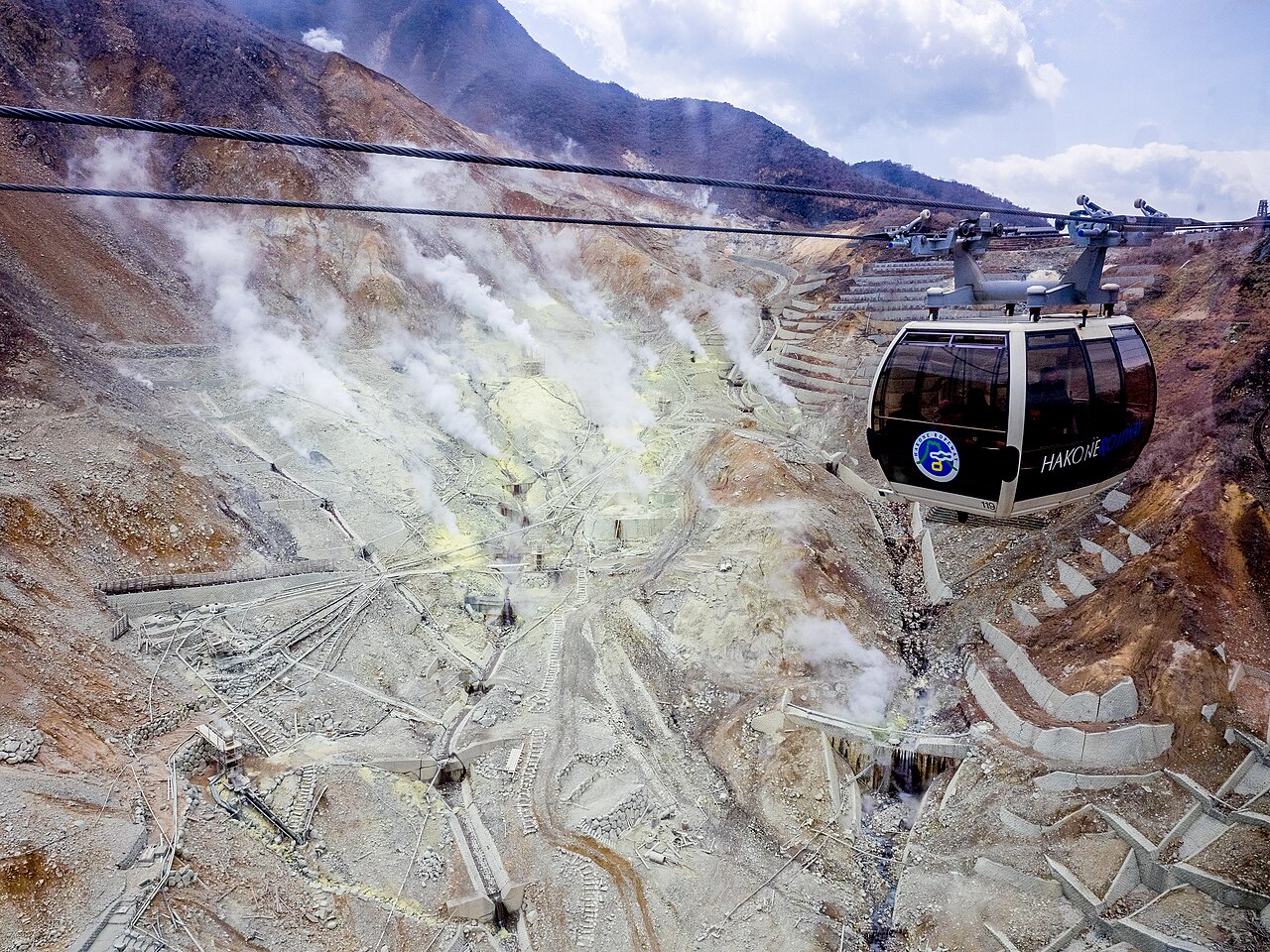
| Great Boiling Valley (Owakudani) | Steaming volcanic area with sulfurous vents, by the Hakone Ropeway Owakudani Station | The classic Hakone sight |
| Black eggs (kuro-tamago) | Eggs boiled in the sulfur springs until the shells turn black, sold at Owakudani | A quirky snack with your Owakudani visit |
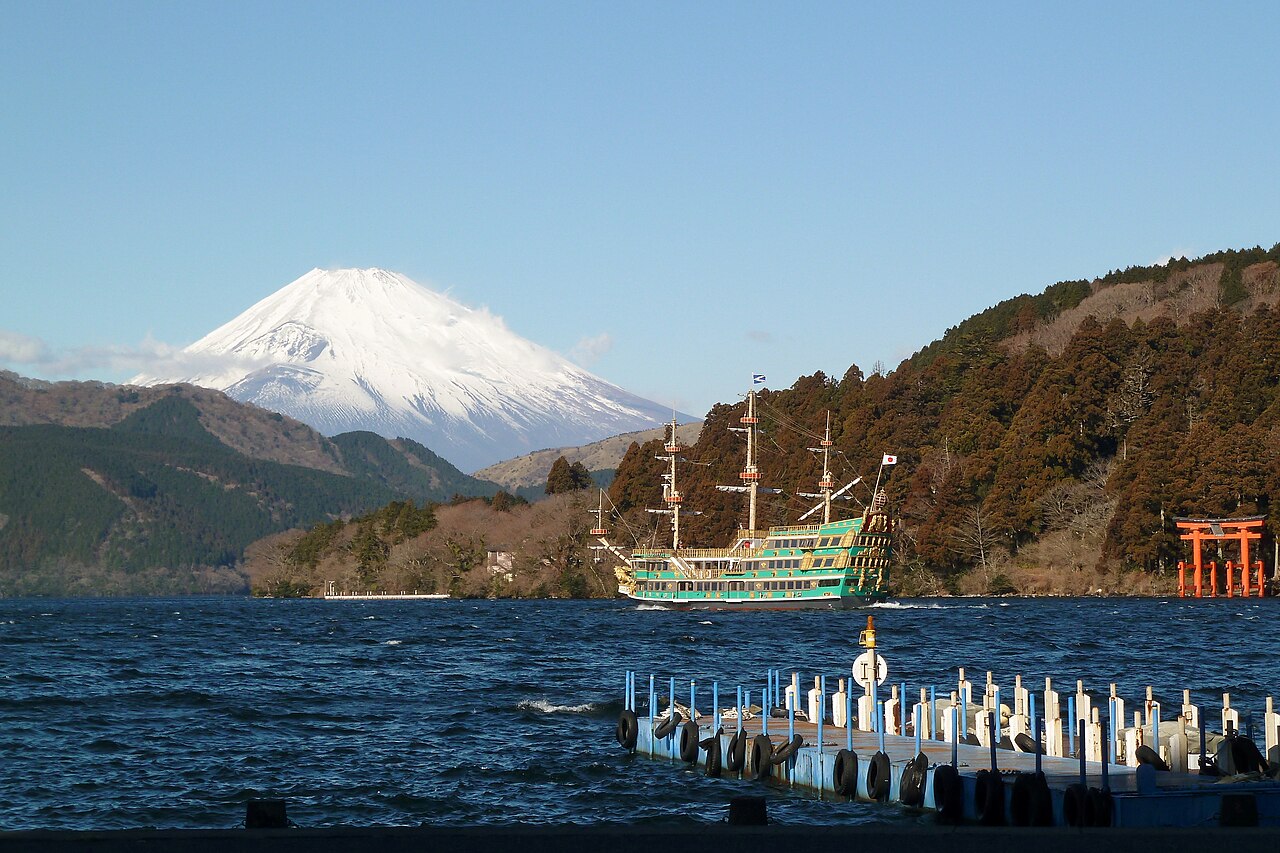
| Lake Ashi | Big lake with Mount Fuji views on clear days | Scenic boat rides, Fuji photos |
| Hakone Jinja Shrine | Shinto shrine with a torii gate standing in the water, in Moto-Hakone | Pairing with Lake Ashi |
| Nukafuku | Vegan and gluten-free bakery with rice bran sweets, by Gora station | Dietary-restricted travelers, a light lunch |
On the way up or down, Sagamiya by Hakoneyumoto station sells mountain brownies and local sweets, a handy stop while you wait for your train.
Booking Tips
- Mark the opening time. Reservations open at 9:00 AM, up to the same date one year ahead. For fall foliage weekends or cherry blossom season, book as soon as your dates are firm.
- New Year is its own race. Year-end and New Year reservations open at 10:00 AM on September 1 each year. Remember that’s Japan time.
- Book the spa extras early. Treatments and the private 9:00 to 11:00 PM spa reservation are limited. Request them when you book the room, especially in peak season.
- Use the full stay. Check-in is typically 2:00 PM and check-out 11:00 AM. Arrive close to 2:00 PM so you get an afternoon soak before dinner, and save time for one more bath before you leave.
- Send dietary needs ahead. The monthly kaiseki is planned in advance, so allergies and restrictions should go in with your booking.
- Weekdays are calmer. Hakone fills up with Tokyo weekenders. If your schedule allows, a Sunday-to-Thursday stay usually means easier trains and a quieter atmosphere (and a Thursday morning stay gets you the yoga session).
- Expect luxury pricing. Rates swing by season, day of week and room type. Compare all four room types for your dates rather than assuming the cheapest one is the best value.
Verdict
Hakone Ginyu does one thing that a lot of Hakone ryokan only offer in their top suites: a private open-air bath with a valley view, in every room. Add in-room kaiseki, a 5th-floor bar and the option to book the spa for yourselves, and it’s a strong pick for an anniversary or a once-a-trip splurge.
But the value depends entirely on staying in. Get there early, skip the sightseeing that evening, and let the bath earn its price.
Places in This Article
Open each place in Google Maps for current hours and directions.
- Great Boiling Valley (Owakudani) · Sight / activity
- Hakone Jinja Shrine · Sight / activity
- Lake Ashi · Sight / activity
- Hakone Open Air Museum · Sight / activity
- Black eggs (kuro-tamago) · Food
- Sagamiya · Food
- Nukafuku · Food
Frequently Asked Questions
Does every room at Hakone Ginyu have a private open-air bath?
Yes. According to the official site, all four room types (Kaze, Hoshi, Sora and Tsuki) have a private open-air bath on a balcony overlooking the Hayakawa River valley, plus an indoor bath or shower area.
How do I get to Hakone Ginyu from Tokyo?
The fastest route is the JR Shinkansen from Tokyo Station to Odawara (about 30 minutes), then the Hakone Tozan Railway to Miyanoshita (about 40 minutes) and a 3-minute walk. From Shinjuku, take the Odakyu Romance Car to Hakone-Yumoto, then the Hakone Tozan Railway or bus to Miyanoshita.
Can I visit Hakone Ginyu's spa without staying overnight?
Yes. Ginyu Spa is open for day-trip use, and there's a Spa + Lunch package from 10:15 AM to 1:30 PM. Overnight guests can also book the spa building privately between 9:00 and 11:00 PM.
Is Hakone Ginyu a good choice if I have tattoos?
Your private balcony bath lets you soak without worrying about shared-bath rules. If you'd like to use the shared spa facilities too, ask about the tattoo policy when you book.
How far ahead should I book Hakone Ginyu?
Reservations open at 9:00 AM up to one year ahead, and New Year's dates open at 10:00 AM on September 1. For peak seasons like autumn foliage and weekends, book as early as you can, and request spa treatments at the same time.
How we research: this article is based on the property's official information, reference sources and an analysis of publicly available guest reviews. We have not been paid by the property. Prices, plans and policies change, so confirm details on the official site before booking.