If you’re staying at a ryokan in Hakone, dinner is already decided. It’s the multi-course meal served at the inn, usually at a set time in the early evening, and it’s big. So the honest version of “where to eat in Hakone” is really “where to eat lunch, and what to snack on between the ropeway and the bath.”
That changes the strategy. You don’t want a heavy, two-hour sit-down lunch at 2pm when kaiseki starts at six. You want something good, reasonably quick, and placed along the route you’re already traveling. This guide sorts the best options by where they are on that route, then gives you a simple plan for one day.
First, Where Hakone Actually Is
A quick clarification, because people search it both ways: Hakone isn’t separate from Kanagawa. It’s a mountainous town (Hakone-machi) inside Kanagawa Prefecture, west of Tokyo, known for onsen and views of Mount Fuji. So “Kanagawa to Hakone” usually means getting there from Yokohama or the Tokyo side of the region.
The main ways in, and what they mean for your first meal:
| Route | Time | Fare (approx.) | Good for |
|---|---|---|---|
| Tokaido Shinkansen Kodama to Odawara, then Hakone-Tozan Line to Hakone-Yumoto | About 1 hr | ¥3,600 unreserved, ¥320 with a JR Pass | Speed, JR Pass holders |
| Odakyu Odawara Line from Shinjuku | 85-90 min | ¥2,330, or ¥1,220 on slower commuter trains | Budget, central Tokyo starts |
| Direct bus from Haneda Airport Terminal 3 (first departure 08:25) | About 2 hr | ¥2,000 | Arriving straight off a flight |
Fares change, so treat these as a guide. The practical point is this: almost every route funnels you through Hakone-Yumoto, and that’s where your first snack opportunity is.
If you’re going to ride the Tozan train, ropeway and boat in one or two days, look at the Hakone Free Pass. It runs ¥6,100 for two days from Shinjuku or ¥5,000 from Odawara, covers unlimited transport on the main loop, and gets you discounts at attractions. It won’t buy you lunch, but it makes hopping between the food stops below cheap and painless.
Hakone-Yumoto: Brownies for the Road
Hakone-Yumoto is the gateway station, and most visitors pass through it twice: once arriving, once leaving. It’s also where a lot of day-trippers crowd the main street, so it’s not where I’d plan a sit-down lunch. It’s where I’d buy something to carry.
Sagamiya
Sagamiya is a small shop near Hakone-Yumoto station that bakes its “mountain brownies” on-site. They’re a good travel snack: they survive a backpack, they don’t need a table, and they make an easy gift for whoever is feeding your cat back home. There’s also a branch in Ginza, so if you fall for them, you can restock in Tokyo.
Best timing: on the way out. Grab a box after checkout and you’ve got something for the train back.
A bath before (or after) you eat
If you arrive early and your ryokan check-in isn’t until mid-afternoon, Tenzan Tōjigō in Hakone-Yumoto is a large day-use hot spring with indoor and outdoor baths and a sauna. Admission is ¥1,000 for adults and ¥630 for children, and a free shuttle bus leaves from outside the station. It’s a smart way to fill the gap between arrival and check-in without dragging luggage around a museum. Just eat lightly before soaking, a standard Japan bath rule.
Gora: The Best Place to Plan Lunch
If you only pick one area for a proper midday meal, make it Gora. It sits at the top of the Hakone-Tozan train and the bottom of the cablecar, so nearly everyone doing the Hakone loop passes through. And it has the most useful mix of food for travelers with different needs.
PUBSTOP Pizza & Bar
PUBSTOP is the easy answer when your group can’t agree. It pours draught beer from Gora Brewery, makes pizza (with vegetarian and vegan options), and takes cards, which still isn’t a given in a Japanese mountain town. It’s open 11:30-14:30 for lunch and 16:00-20:30 in the evening.
That lunch window is the one ryokan guests should care about. Pizza and a local beer at 12:30, then the cablecar up, and you’ll be properly hungry again by dinner. The evening hours are handy on your arrival or departure day if your plan doesn’t include a ryokan meal that night.
Nukafuku
Nukafuku is a bakery tucked inside a souvenir shop at Gora station, and it’s entirely vegan and gluten-free. Its specialty is sweets made with rice bran, including doughnuts. It’s open 11AM-4PM, so it’s a daytime stop only.
This is the place to know about if anyone in your group avoids dairy, eggs or gluten. Japanese bakeries and sweet shops can be hard going for those diets, and it’s a relief to find one where you don’t need to translate the ingredients list. Everyone else should try a doughnut anyway.
Owakudani: Black Eggs and Volcanic Steam
Owakudani is the volcanic valley on the ropeway route, with sulfur fumes drifting over the hillside and steam venting from the ground. It’s one of Hakone’s big sights, and it comes with Hakone’s most famous snack.
The black eggs (kuro-tamago) are boiled in the hot spring water here, which turns their shells black. They’re sold in packs of five for ¥500. Inside, they’re ordinary hard-boiled eggs, a little sulfur-scented. Local tradition says each one adds years to your life. That’s folklore, not a promise, but it’s a fun excuse to eat two.
A pack of five is a great shared snack for a family or a group of friends. For a couple, it’s a lot of eggs. Split a pack with your travel companions and don’t count it as lunch; it’s a mid-morning or mid-afternoon bite.
Elsewhere in Hakone: Tofu Katsu, Soba and Local Beer
Tamura Ginkatsu-Tei
Tamura Ginkatsu-Tei is the restaurant people line up for. Its signature is tofu katsuni: a dish of tofu and pork cooked together, simmered rather than served crisp and dry. It also offers vegetarian options, which is rarer than it should be for a katsu-style restaurant.
It runs a ticket system, and the common advice is to secure your spot early. If you want lunch here, make it the first thing you do when you reach the area, then go sightseeing while you wait. Showing up at 1pm hungry and hoping for the best is how you end up eating convenience store onigiri on a bench.
Soba
Buckwheat soba is the local specialty to look for, and you’ll see soba shops all over Hakone. It’s served cold (dipped into a chilled sauce) or hot in broth, often with tempura, tofu or vegetables on the side.
Soba is the ideal ryokan-day lunch. It’s light, it’s quick, and it won’t wreck your appetite for dinner. In summer, order it cold. In winter, hot soba after an afternoon at the lake is exactly right.
Hakone beer
Hakone has its own craft beer, brewed locally, and Gora Brewery’s draught at PUBSTOP is another local pour to try. Either is worth a glass with lunch. One gentle warning: a beer followed by a hot bath can leave you lightheaded, so leave some time and some water between the two.
Museum cafes and tearooms
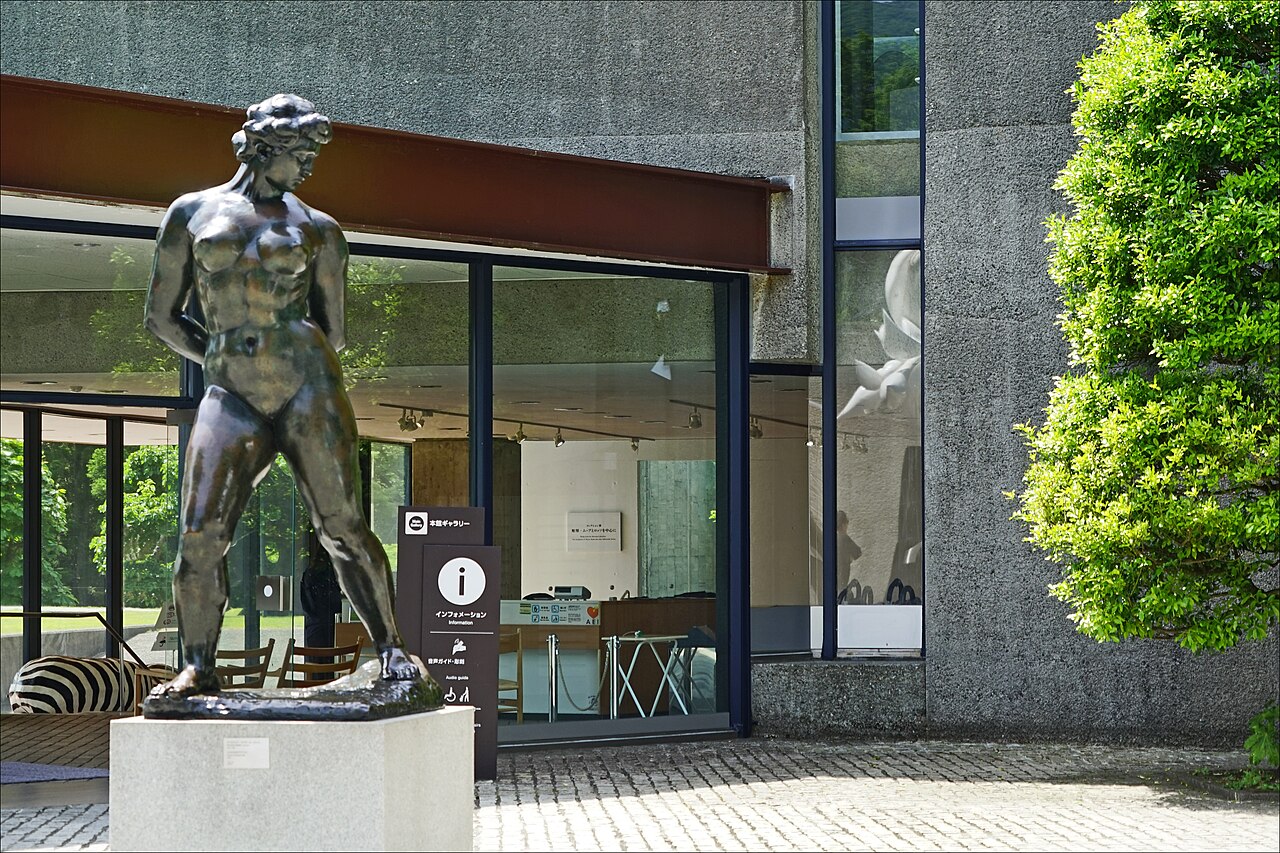
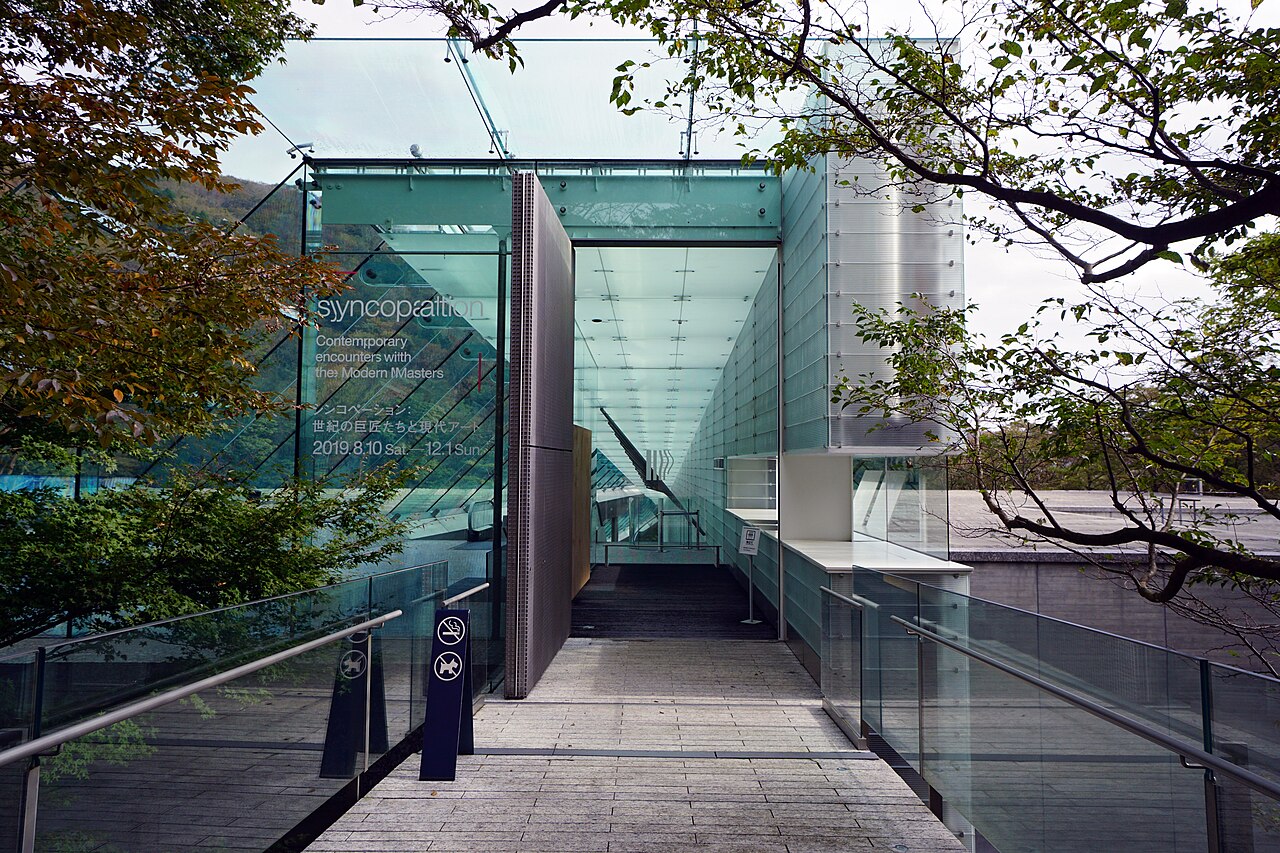
If a museum is on your list anyway, plan a coffee or tea break there. The Hakone Museum Of Art has a moss garden with a tearoom, a calm place for matcha after looking at its collection of ancient Japanese earthenware. The Hakone Open Air Museum, the Pola Museum of Art and the Hakone Museum of Photography are all big draws too, and a museum visit makes a natural midpoint between a late breakfast and lunch.
Hakone Lunch Spots Compared
| Place | Where | What to get | Best for | Watch out for |
|---|---|---|---|---|
| PUBSTOP Pizza & Bar | Gora | Pizza and Gora Brewery beer | Groups, vegans, card payers | Lunch ends at 14:30 |
| Nukafuku | Gora station | Rice bran doughnuts and sweets | Vegan and gluten-free diets | Closes at 4PM |
| Tamura Ginkatsu-Tei | Hakone | Tofu katsuni | A proper sit-down lunch | Ticket system, plan for a wait |
| Owakudani black eggs | Owakudani | Kuro-tamago, five for ¥500 | Sharing, families, first-timers | Five is a lot for two people |
| Sagamiya | Near Hakone-Yumoto station | Mountain brownies | Snacks for the train home | Not a meal |
| Soba shops | Throughout Hakone | Cold or hot soba | Light lunch before kaiseki | Popular shops fill up at noon |
Eating Vegetarian, Vegan or Gluten-Free in Hakone
Hakone is easier than many Japanese towns for plant-based eaters, mostly because of three spots: Nukafuku (fully vegan and gluten-free), PUBSTOP (vegetarian and vegan pizzas) and Tamura Ginkatsu-Tei (vegetarian options).
The bigger challenge is usually your ryokan dinner, not lunch. Kaiseki leans heavily on dashi stock made from fish, and plenty of “vegetable” dishes contain it. If you have a dietary restriction, tell the ryokan when you book, not when you arrive, and give them specifics. “No meat, no fish, no fish stock” is clearer than “vegetarian.”
Before You Head Out: A Lunch Checklist
- Check your ryokan’s dinner time and eat lunch at least five hours earlier.
- Bring cash for small shops and egg stands, even though PUBSTOP takes cards.
- If Tamura Ginkatsu-Tei is your target, go there first and sightsee during the wait.
- Note the closing times: Nukafuku at 4PM, PUBSTOP’s lunch service at 14:30.
- Pick up Sagamiya brownies on your last day, not your first, so they’re fresh for the trip home.
- Tell your ryokan about any dietary needs when you book.
- Keep a gap between beer and bath.
If You Only Have One Day of Lunches
Here’s a route that works for most ryokan guests doing the classic Hakone loop with a Free Pass.
Late morning: Start at a museum. The Hakone Open Air Museum is the easy choice, and Free Pass holders get ¥200 off its ¥1,600 ticket.
Lunch: Head to Gora. PUBSTOP for pizza and a Gora Brewery beer if your group wants something relaxed. Pick up a Nukafuku doughnut for later. If you’d rather have something more Japanese, find a soba shop instead.
Afternoon: Ride up to Owakudani, share a pack of black eggs, then continue down to Lake Ashinoko for the pirate ship and, on a clear day, Mount Fuji views.
Evening: Back to the ryokan, bath first, then dinner. You’ll be hungry, which is the point.
Departure day: Stop at Sagamiya near Hakone-Yumoto station for brownies before the train.
Families have one extra option. If the weather turns, Hakone Kowakien Yunessun is an indoor complex with water rapids, Dead Sea-style salt baths, jacuzzis and outdoor waterfalls (¥3,500 adults, ¥1,700 children). Pair it with a light soba lunch and the kids will sleep through dinner. Or close to it.
One last honest note. Hakone’s food scene is built around day-trippers, so expect some lines and some tourist pricing in the busiest spots. If that bothers you, the fix is timing, not avoidance: eat at 11:30 instead of noon, and you’ll beat most of the crowd.
Places in This Article
Open each place in Google Maps for current hours and directions.
- Hakone Open Air Museum · Sight / activity
- Pola Museum of Art · Sight / activity
- Hakone Museum of Photography · Sight / activity
- Hakone Museum Of Art · Sight / activity
- Tenzan Tōjigō · Sight / activity
- Hakone Kowakien Yunessun · Sight / activity
- Owakudani · Sight / activity
- Lake Ashinoko · Sight / activity
- Sagamiya · Food
- Nukafuku · Food
- Tamura Ginkatsu-Tei · Food
- PUBSTOP Pizza & Bar · Food
Frequently Asked Questions
Is Hakone in Kanagawa?
Yes. Hakone is a mountainous town in Kanagawa Prefecture, west of Tokyo, known for onsen and views of Mount Fuji. The fastest route from Tokyo is the Shinkansen to Odawara, then the Hakone-Tozan Line to Hakone-Yumoto, about an hour in total.
What food is Hakone known for?
The famous snack is Owakudani's black eggs, boiled in volcanic hot spring water and sold five for ¥500. Soba is the local specialty for lunch, and Hakone also has its own locally brewed craft beer.
Are there vegan or vegetarian restaurants in Hakone?
Yes. Nukafuku at Gora station is a fully vegan and gluten-free bakery, PUBSTOP Pizza & Bar in Gora serves vegetarian and vegan pizzas, and Tamura Ginkatsu-Tei offers vegetarian options. Tell your ryokan about dietary needs when you book, since kaiseki often uses fish stock.
Should I eat dinner outside my ryokan in Hakone?
Usually not. Most ryokan stays include a multi-course dinner, so plan Hakone's restaurants and cafes around lunch and snacks, and keep lunch light enough that you're hungry by evening.
How we research: this guide draws on official tourism and reference sources and well-established Japan travel practice. Policies, rates and child rules differ from ryokan to ryokan, so confirm the details with the property before booking.
1 thought on “Where to Eat in Hakone: Lunch, Cafes and Local Bites”