Short answer: if it’s your first ryokan, you have one night, and you’re dragging a suitcase from Tokyo, stay in Hakone-Yumoto. It’s the transport hub, the direct trains end there, and you won’t spend your afternoon changing lines. If you want to be up in the mountains with the sightseeing loop on your doorstep, pick Gora. If you want quiet and a more traditional feel, Miyanoshita. And if your picture of Hakone is a lake, boats and shrine gates, look at Lake Ashi, but plan your evenings around the buses.
That’s the decision in four sentences. The rest of this guide explains why, and how to pick a room and meal plan once you’ve chosen an area.
How Hakone Fits Together
Hakone is a mountainous area west of Tokyo, on the old Tokaido road and inside Fuji-Hakone-Izu National Park. People come for two things: hot springs and the chance of a Mount Fuji view. It’s also a standard stop on the Tokyo-Kyoto-Osaka “Golden Route,” which explains a lot about the crowds.
The easiest way to understand the areas is to follow the classic sightseeing loop, often called the Hakone Round Course:
- Hakone-Tozan Line (mountain railway): Odawara → Hakone-Yumoto → up the mountain → Gora
- Hakone-Tozan Cablecar: Gora → Sounzan
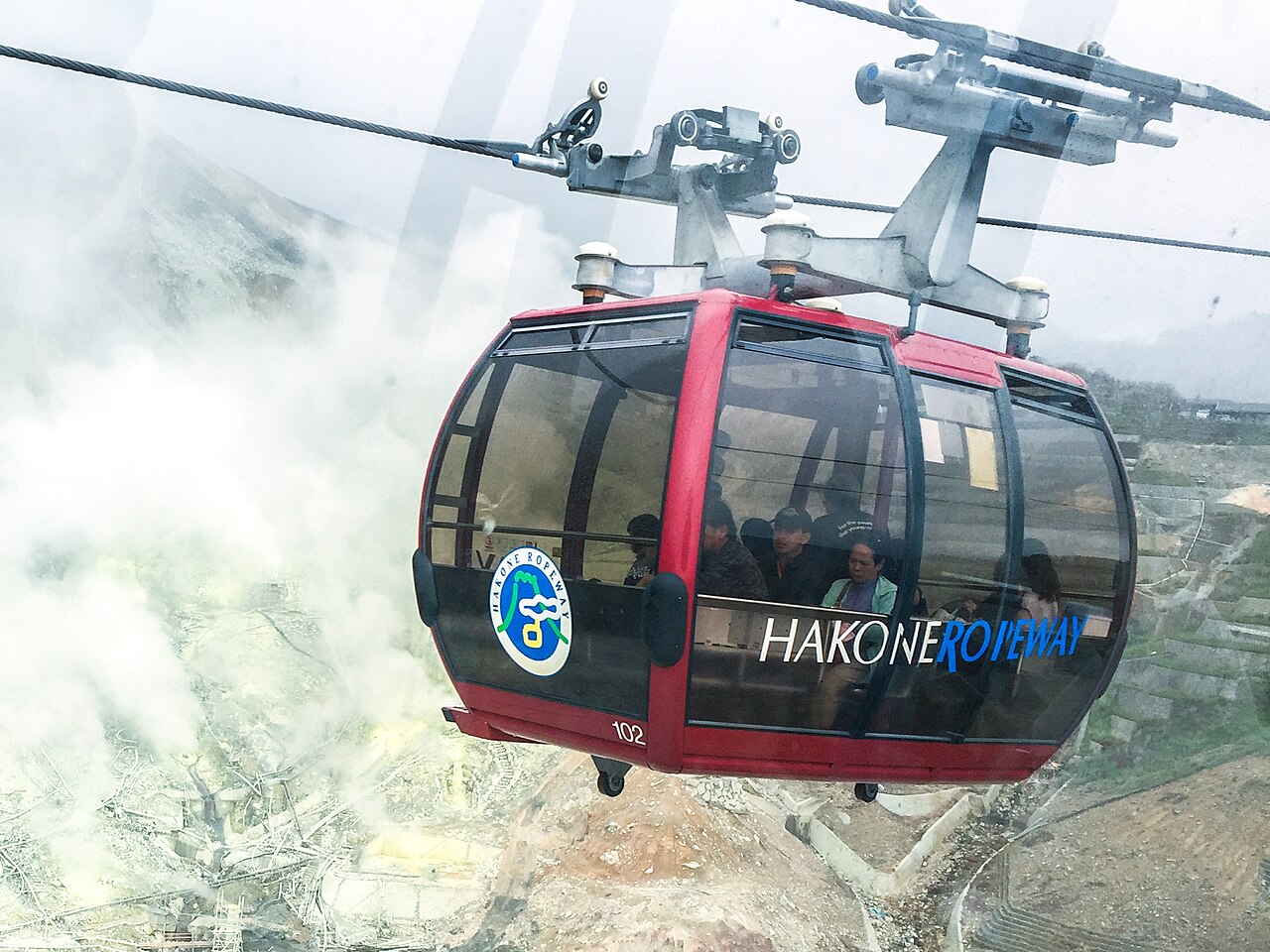
- Hakone Ropeway: Sounzan → over Owakudani → Togendai on Lake Ashi
- Hakone Sightseeing Ships: Togendai → across the lake to Moto-Hakone and Hakone-machi
- Hakone-Tozan Bus: back down from the lake toward Hakone-Yumoto or Odawara
Every area in this guide sits somewhere on that loop. Where you sleep decides which part is easy and which part is a trek.
The Four Areas at a Glance
| Area | Getting there from Tokyo | Atmosphere | Best for | Watch out for |
|---|---|---|---|---|
| Hakone-Yumoto | End of the direct train routes; no extra transfers | Busy hub, lots of ryokan | First-timers, one-night stays, heavy luggage | It’s the gateway, so it feels less remote |
| Miyanoshita | Up the mountain from Yumoto on the Tozan Line | Quieter, more traditional ryokan | Couples, travelers who want calm | Fewer options than the busier areas |
| Gora | End of the Tozan Line, start of the cablecar | Popular, many ryokan | Sightseers doing the full loop | Another transfer with bags |
| Lake Ashi (Togendai, Moto-Hakone, Hakone-machi) | Bus, or the full loop via ropeway and boat | Scenic, central to sightseeing | Lake views, shrine visits | Buses stop around 8 p.m. |
Hakone-Yumoto: The Easy Choice
Yumoto is the main hub for both ryokan stays and transport. Direct trains from Shinjuku arrive here, the Haneda airport bus arrives here, and the Tozan Line and Tozan Bus both run through it. If you value an easy arrival over a mountaintop feel, this is your area.
It’s the smart pick if:
- You’re only staying one night and don’t want to lose daylight to transfers
- You’re coming straight from Haneda by bus
- You’re traveling with big suitcases (and on the Golden Route, most people are)
- You want to day-trip up the loop and come back down to a guaranteed dinner
The trade-off is atmosphere. Yumoto is the front door to Hakone, so it gets everyone passing through. If your goal is to feel deep in the mountains, you’ll want to go higher.
Miyanoshita: Quieter and More Traditional
Miyanoshita is known for quieter, more traditional ryokan, and it’s relatively close to Owakudani. It sits on the mountain between Yumoto and Gora, which puts you partway up the loop without the crowds of the main hubs.
This is where we’d point couples and anyone who cares more about the ryokan itself (the bath, the dinner, the evening in a yukata) than about ticking off sights. It suits a two-night stay especially well: arrive, soak, eat, and do the loop the next day without rushing.
The catch is simply that it’s not a hub. Expect one more leg of travel from Yumoto, and check how your ryokan expects you to get from the station to the door.
Gora: Best Base for Sightseeing
Gora is a popular area with many ryokan, and it’s where the Tozan Line ends and the Hakone-Tozan Cablecar begins. That makes it the most practical base if you plan to do the full Round Course: cablecar to Sounzan, ropeway over Owakudani to Togendai, then the boat across the lake.
Pick Gora if you’ve got a full day for sightseeing and want to start it early, before the day-trippers from Tokyo arrive. Being at the top of the railway means you’re already halfway up the loop at breakfast.
But getting there with luggage means the train from Odawara or Yumoto all the way up the mountain line. That’s part of the charm for some people and a chore for others. If you’re on the Odakyu Free Pass, at least the extra rides cost you nothing.
Lake Ashi: Views, With a Timetable Problem
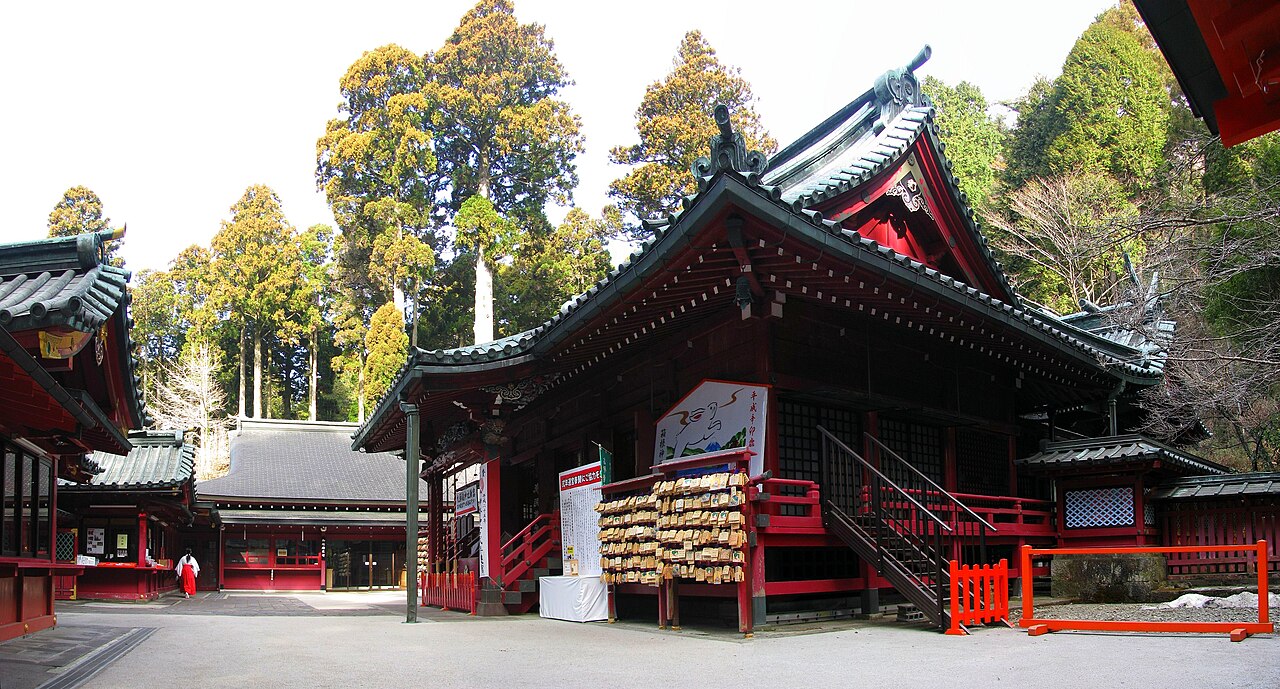
Lake Ashi (Ashinoko) is the center of the region for views and sightseeing. The main lakeside points are Togendai (where the ropeway lands and the ships depart), Moto-Hakone (near Hakone Jinja Shrine on the south shore) and Hakone-machi.
Staying by the lake makes sense if:
- The lake, the shrine and the boats are the reason you’re coming
- You want to be at the shrine before the tour groups
- You’re happy to commit to a lakeside evening with dinner at the ryokan
The real issue is transport. The Hakone-Tozan Bus, which connects the lake back to Yumoto and Odawara, closes around 8 p.m. Miss the last one and your options shrink fast. In practice that’s fine for a ryokan stay, since you’ll be eating dinner in anyway, but it means no spontaneous evening trips down the mountain. Check-in times matter here too: many ryokan serve dinner at a set time, so arriving late on the last bus is a bad plan.
Picking a Ryokan Style
Once you’ve chosen an area, the bigger decisions are about the room and the plan. These apply to ryokan across Japan, and Hakone has the full range.
Private bath or shared baths?
| Option | Good for | Think about |
|---|---|---|
| Room with private open-air bath | Couples, tattooed travelers, anyone shy about communal bathing | Usually the priciest room type |
| Shared gender-separated baths | First-timers who want the classic onsen experience | You bathe nude with strangers; etiquette applies |
| Private reservable bath (kashikiri) | Families and couples who want privacy without the room upgrade | Slots can fill up; book at check-in |
If you have tattoos, ask about the policy when you book. A room with its own bath sidesteps the question entirely.
Meal plans
Most ryokan sell plans with dinner and breakfast included, usually a multi-course kaiseki dinner served at a fixed time. Some also offer breakfast-only or room-only plans. For a first stay, take the full dinner plan. It’s a big part of what you’re paying for, and in the mountain areas or by the lake, eating out at night isn’t easy anyway.
If you have dietary needs (vegetarian, allergies, no raw fish), tell the ryokan when you book, not when you arrive. Kitchens prepare ingredients ahead.
Traveling with kids
Hakone’s ropeway, boats and mountain train are genuinely fun for children. But a traditional ryokan with quiet halls and late multi-course dinners isn’t always relaxed with toddlers. Ask about child rates, kids’ meals and futon arrangements when you book.
Getting There With Luggage
Fares and schedules change, so treat these as a guide and check current prices before you travel.
| Route | Arrives | Time | Approx. fare | Notes |
|---|---|---|---|---|
| Odakyu Line from Shinjuku | Hakone-Yumoto | 85-90 min | about ¥2,330 | Direct and affordable |
| Odakyu Super Hakone | Hakone-Yumoto | Direct | Compartment about ¥4,440 | Private compartments seat up to 4 |
| Tokaido Shinkansen to Odawara + Hakone-Tozan Line | Hakone-Yumoto | About 1 hour | About ¥3,600 unreserved | Fastest from Tokyo |
| Airport bus from Haneda | Hakone-Yumoto station | About 2 hours | About ¥2,000 one-way | Listed departures from 08:25 and 12:35 |
Two things trip people up:
- The Japan Rail Pass. Don’t assume it covers your trip. Reference sources note the Tokaido Shinkansen route to Hakone isn’t covered, and the Hakone-Tozan Line is run by Odakyu, not JR. Check before you plan around it.
- Same-day long-haul arrivals. With limited airport bus departures, it’s safer to spend your first night in Tokyo and head to Hakone the next day than to race a flight to make a ryokan dinner.
For accessibility: travelers with disabilities can use most of the Round Course, but some stations aren’t accessible. Check your specific stops before you commit to an area.
Is the Hakone Free Pass Worth It?
The Odakyu Hakone Free Pass costs ¥6,100 for two days from Shinjuku and gives unlimited rides on Hakone transport, plus discounts at many hot springs, museums and restaurants.
It’s a good deal if you’re doing the full loop (train, cablecar, ropeway, boat, bus), especially if you’re staying in Gora or by the lake and will ride a lot. It’s less compelling if you’re staying in Yumoto, soaking, and going home. For journey planning, the Hakone Navi website covers transport and timetables in English, which helps because the local tourist association’s guide site is Japanese-only.
What to Do Near Each Area
Since ryokan dinners keep you in at night, plan sightseeing for the daytime:
- Hakone-Tozan Line: the mountain railway itself, between Odawara, Yumoto and Gora. A good first ride from Yumoto.
- Hakone-Tozan Cablecar: starts in Gora, climbs to Sounzan. Natural first step if you’re based in Gora.
- Hakone Ropeway: from Sounzan down to Togendai, passing Owakudani. The scenic highlight of the loop.
- Great Boiling Valley (Owakudani): a volcanic hot spot with sulfurous springs. Reachable via the ropeway.
- Hakone Sightseeing Ships: pirate ship-style boats across Lake Ashinoko from Togendai. Kids love them; adults pretend not to.
- Hakone Jinja Shrine: near Moto-Hakone on the lake’s south shore. An easy win if you’re staying lakeside.
The Honest Downsides
Hakone is crowded, expensive and, in places, a bit kitschy. That’s what happens to a mountain resort this close to Tokyo that sits on every first-timer’s itinerary. You can soften it:
- Stay overnight and do the loop early, before day-trippers arrive
- Avoid weekends and Japanese holidays if your dates are flexible
- Choose Miyanoshita if quiet matters more than convenience
- Spend more on the room and less on running around
Hakone isn’t the place for a cheap night or a quick hop from Tokyo. And if you’d rather have a modern hotel with a bar and late room service, you’ll fight the ryokan rhythm the whole time.
Booking Checklist
- Choose your area by how you’re arriving and how much you plan to sightsee
- Reserve your ryokan early, especially if you want a dinner plan
- Decide private bath vs shared baths; ask about tattoos if relevant
- Tell the ryokan about dietary needs at booking
- Confirm check-in time, dinner time and any door curfew
- Book train tickets ahead in peak season
- Check whether the Free Pass pays off for your route
- Note the last bus times if you’re staying by the lake
- Pack layers; mountain weather shifts with the seasons
- Look up the station accessibility for your stops if you need it
Places in This Article
Open each place in Google Maps for current hours and directions.
- Great Boiling Valley (Owakudani) · Sight / activity
- Hakone Jinja Shrine · Sight / activity
- Hakone Ropeway · Sight / activity
- Hakone Sightseeing Ships · Sight / activity
- Lake Ashinoko · Sight / activity
- Hakone-Tozan Cablecar · Sight / activity
- Hakone-Tozan Line · Sight / activity
- Hakone-Tozan Bus · Sight / activity
Frequently Asked Questions
What's the difference between an onsen and a ryokan?
An onsen is a hot spring bath, fed by natural spring water. A ryokan is a traditional Japanese inn, usually with tatami rooms, futon bedding and set meals. Many ryokan in hot spring towns like Hakone have their own onsen baths, which is why the two often go together, but you can visit an onsen without staying at a ryokan.
Should I stay in a ryokan in Tokyo or save it for Hakone?
If you only do one ryokan night, Hakone is the stronger choice because you get the inn and the hot spring baths in one place, in a mountain setting. Hakone is reachable from Shinjuku in about 85-90 minutes on the direct Odakyu Line, so it fits easily into a Tokyo-based trip.
Which area of Hakone is best for first-time visitors?
Hakone-Yumoto is the easiest for first-timers. It's the main transport hub, direct trains from Shinjuku and the Haneda airport bus arrive there, and it has plenty of ryokan. Choose Gora if you want to start the sightseeing loop early, or Miyanoshita if you prefer a quieter, traditional atmosphere.
Does the Japan Rail Pass cover the trip to Hakone?
Don't count on it. Reference sources note the Tokaido Shinkansen route to Hakone isn't covered, and the Hakone-Tozan Line is operated by Odakyu rather than JR. The Odakyu Hakone Free Pass is usually the pass to look at for Hakone itself.
Is it a problem to stay at Lake Ashi without a car?
It's doable, but plan around the buses. The Hakone-Tozan Bus connecting the lake to Yumoto and Odawara closes around 8 p.m., so arrive in good time for check-in and expect to spend the evening at your ryokan.
How we research: this article is based on the property's official information, reference sources and an analysis of publicly available guest reviews. We have not been paid by the property. Prices, plans and policies change, so confirm details on the official site before booking.
Sources